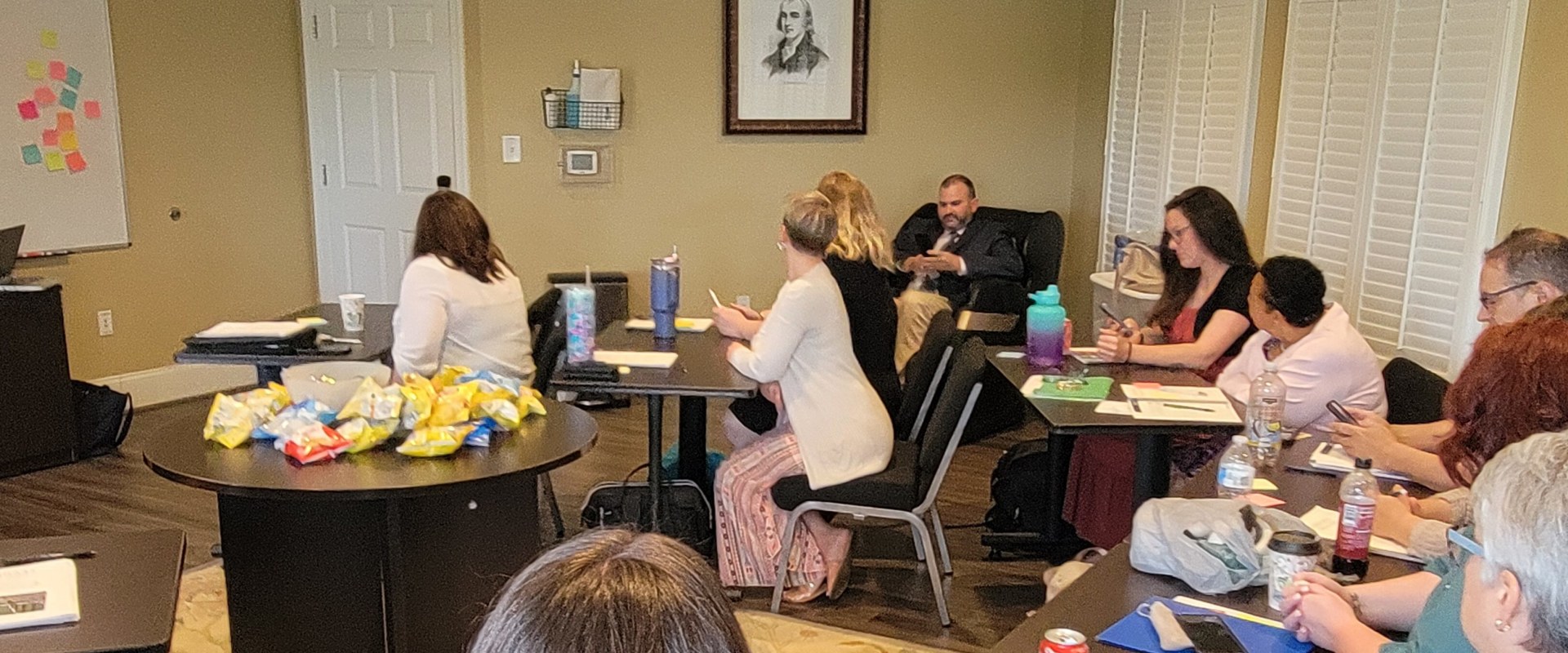
As an expert in the nonprofit sector in Central Virginia, I have witnessed firsthand the crucial role that these organizations play in addressing social, economic, and environmental issues in the region. These groups are driven by a common goal of making a positive impact on the community and rely heavily on collaboration to achieve their objectives, often utilizing location-based keywords to enhance their outreach efforts. As an expert in the nonprofit sector in Central Virginia, I have witnessed firsthand the crucial role that these organizations play in addressing social, economic, and environmental issues in the region. These groups are driven by a common goal of making a positive impact on the community and rely heavily on collaboration to achieve their objectives, often utilizing location-based keywords to enhance their outreach efforts.
The Importance of Collaboration
Collaboration among nonprofit groups is essential for several reasons. First and foremost, it allows organizations to pool their resources and expertise, resulting in more efficient and effective solutions. By working together, these groups can avoid duplication of efforts and maximize their impact. Moreover, collaboration enables nonprofit groups to reach a wider audience and engage with different stakeholders.This can lead to increased awareness and support for their causes, as well as potential partnerships with other organizations or businesses. Additionally, collaborating with other nonprofit groups can provide opportunities for learning and growth. By sharing best practices and experiences, organizations can improve their strategies and operations, ultimately leading to better outcomes for the community.
Types of Collaboration
There are various ways in which nonprofit groups in Central Virginia collaborate with each other. Some of the most common types of collaboration include:- Networking: This involves building relationships with other organizations through events, meetings, or online platforms. Networking allows nonprofit groups to exchange ideas, share resources, and identify potential areas for collaboration.
- Partnerships: Nonprofit groups may form partnerships to work together on a specific project or campaign.
These partnerships can be formal or informal and may involve joint fundraising, program development, or advocacy efforts.
- Coalitions: A coalition is a group of organizations that come together around a common cause or issue. By joining forces, these groups can amplify their voices and advocate for change at a larger scale.
- Mergers: In some cases, nonprofit groups may decide to merge with another organization to achieve greater impact or sustainability. This involves combining resources, staff, and programs to form a new entity.
Examples of Collaboration among Nonprofit Groups in Central Virginia
One example of successful collaboration among nonprofit groups in Central Virginia is the Partnership for Nonprofit Excellence (PNE). PNE is a membership organization that provides training, resources, and networking opportunities for nonprofit organizations in the region. PNE also facilitates collaboration among its members through various initiatives, such as the Nonprofit Learning Institute and the Community Engagement Network.These programs bring together nonprofit leaders to share knowledge and best practices, as well as collaborate on community projects. Another example is the Central Virginia Nonprofit Coalition (CVNC), which is a coalition of over 100 nonprofit organizations in the region. CVNC focuses on advocacy and policy work, with a mission to strengthen the nonprofit sector and promote social change. CVNC has successfully collaborated with other organizations on issues such as affordable housing, healthcare access, and education. By working together, these groups have been able to influence policies and bring about positive change in the community.
Challenges and Solutions
While collaboration among nonprofit groups has many benefits, it also comes with its own set of challenges. One of the main challenges is finding the right partners and building trust among organizations with different missions and goals. To overcome this challenge, it is important for nonprofit groups to have clear communication and establish shared values and goals from the beginning.This can help build trust and ensure that all parties are working towards a common purpose. Another challenge is managing resources and responsibilities in a collaborative effort. This can be addressed by having a clear agreement or memorandum of understanding (MOU) that outlines the roles and responsibilities of each organization involved.